Project case study · Optical transfer research
FOSL
An evidence-first research platform for moving data through light, built to make every experimental claim traceable to the conditions that produced it.
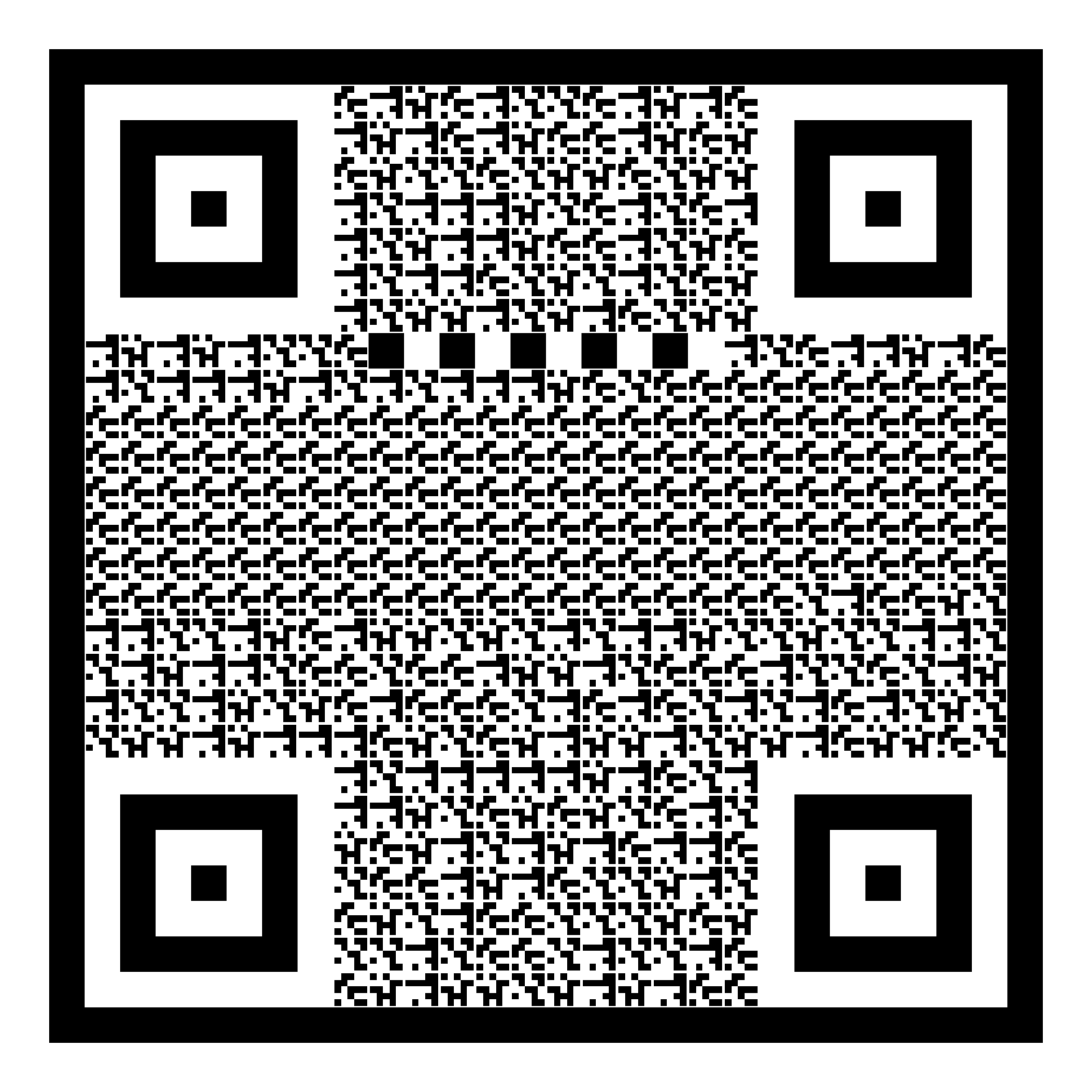
The question
Can a screen become a trustworthy data link?
FOSL began with a deceptively simple constraint: move bytes from one device to another using only a display and a camera. No pairing, no shared network path, and no cloud relay—just light crossing the space between two machines.
The harder question was not whether one transfer could work. It was how to search for designs that remain legible across changing cameras, brightness, distance, density, and presentation rate without turning a promising demonstration into a claim the evidence cannot support.
The system
What holds it together
Light as medium
Files and text become a sequence of visual symbols. A receiving camera locates, decodes, reconstructs, and verifies the payload locally.
Search, do not guess
Versioned candidates, seeded transforms, locked comparisons, and preserved failures turn visual-code design into an inspectable search process.
Measure the whole path
Telemetry separates displayed symbols, examined camera frames, accepted codes, reconstructed bytes, and completed verified transfers.
Bound every claim
Digital conformance, recorded replay, and physical trials answer different questions. The project keeps those evidence layers separate.
How it moves
From file to photons—and back
The working system joins a reproducible research harness to a browser experience that can be used on ordinary devices.
- Encode
Prepare a verifiable container
A file or text block is packaged with its identity and integrity information, then divided into recoverable symbols.
- Present
Turn the display into a transmitter
The sender renders one or more optical panels with a paced symbol schedule and a positioning lead-in.
- Recover
Let missed frames cost time, not the file
Fountain-style recovery accumulates useful symbols while alignment and decoder telemetry make failure visible.
- Verify
Accept only the original bytes
The receiver reconstructs the container and checks its hash before offering the recovered file.
Screen to camera in either direction
Validation snapshot · August 2026
The received payload must match
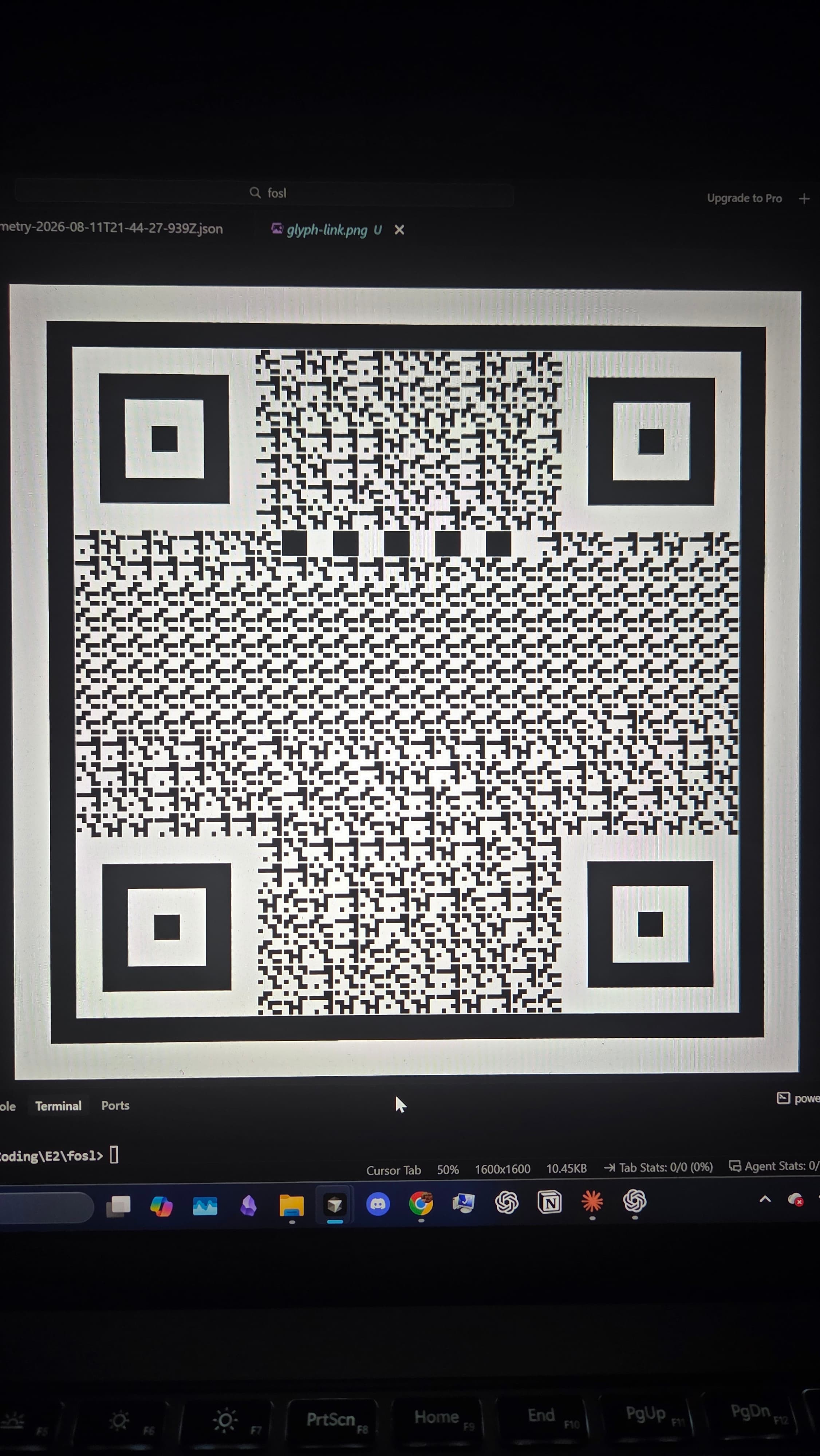
What the work became
An experiment in disciplined curiosity
The most interesting part of FOSL is not the code pattern itself. It is the chain of accountability around it: deterministic inputs, machine-readable results, validators, explicit protocols, and failures that stay in the record.
FOSL is my research layer. Decimen, a separate open-source project by Evan Crawley, became an important external comparison and product reference. Keeping that provenance visible is part of the same evidence discipline.
Nearby in the constellation